
Buying tech should be exciting, but it often feels overwhelming. Every brand claims to have the fastest processor, the smartest features, the clearest camera, the longest battery life or the most advanced design. Product pages are full of impressive numbers, polished images and bold promises.
But real life is rarely as perfect as a product launch.
A phone may look powerful on paper but struggle after a few months of daily use. A smart home device may sound convenient but create more frustration than comfort. A camera may have impressive specs but fail in low light, fast movement or real travel situations. An AI tool may promise to change your workflow, but the real question is whether it actually saves time.
That is why real-world tech testing matters.
At TechFinderLab, we believe technology should be reviewed in the way people actually use it: in homes, offices, cars, construction sites, road trips, creative workflows and everyday routines. Specs can be useful, but they do not tell the whole story.
Specs Are Only the Starting Point
Technical specifications can help you compare products, but they should never be the only reason you buy something.
A smartphone with a high-resolution camera may still produce poor images if the software processing is weak. A laptop with strong hardware may still feel frustrating if the keyboard, battery life or heat control is poor. A smart speaker may have good sound on paper but perform badly in a noisy home.
Specs describe potential. Real-world use reveals performance.
This is especially important because many people do not buy tech for numbers. They buy it to solve a problem, improve productivity, capture memories, stay connected, protect their home or enjoy entertainment more easily.
The best tech is not always the product with the biggest spec sheet. It is the product that fits your actual life.
Real-World Testing Shows What Brands Do Not
Marketing is designed to make products look their best. Real-world testing is designed to find out what happens after the excitement fades.
At TechFinderLab, real testing means asking practical questions:
Does the battery last through a normal day?
Does the device stay fast after repeated use?
Is the setup process simple or annoying?
Does the product work well outside perfect conditions?
Is it comfortable, reliable and worth the price?
Would we still recommend it after weeks or months of use?
These questions matter because most buyers do not use technology in controlled environments. They use it while traveling, working, cooking, driving, creating, exercising, studying or managing busy households.
A product that performs well only in perfect conditions may not be the best choice for real people.
Honest Reviews Help You Avoid Expensive Mistakes
Tech products can be expensive. A phone, laptop, camera, smartwatch, headset or home device may cost hundreds or even thousands of dollars. Choosing the wrong product can lead to wasted money, frustration and regret.
Honest reviews help reduce that risk.
A good review should not simply repeat what the brand says. It should explain what works, what does not work and who the product is actually for. Sometimes a budget device may offer better value than a flagship model. Sometimes an expensive product may be impressive but unnecessary for most users. Sometimes a popular gadget may look exciting but end up sitting unused after the first week.
At TechFinderLab, we believe readers deserve the full picture. If a product is excellent, we say why. If it is overhyped, we say that too.
Value Matters More Than Price Alone
When buying technology, price is important, but value is more important.
A cheap product is not a good deal if it breaks quickly, performs badly or creates daily frustration. At the same time, a premium product is not automatically worth buying just because it costs more.
True value comes from the balance between performance, reliability, usability and price.
For example, a $300 budget phone may be a better choice for many users than a much more expensive flagship if it handles everyday tasks well. A mid-range camera may be better for a beginner than a professional model with features they will never use. A simple smart home device may be more useful than a complicated system that takes hours to set up.
Good tech buying is not about spending the most. It is about spending wisely.
Tech Should Serve People, Not the Other Way Around
Technology should make life easier, not more complicated.
A useful device should support your daily routine, creative work, communication, safety or entertainment. It should help you do something better, faster or more comfortably. If a product creates more problems than it solves, it may not be worth your time.
This is why human-centered tech reviews are so important.
At TechFinderLab, we look beyond performance charts and feature lists. We care about how technology affects real life. Does it improve productivity? Does it support creativity? Does it help people stay organized? Does it reduce stress or add another layer of complexity?
The best technology feels helpful. It fits naturally into your life instead of demanding constant attention.
Smart Homes Need Smart Decisions
Smart home devices are a perfect example of why real-world testing matters.
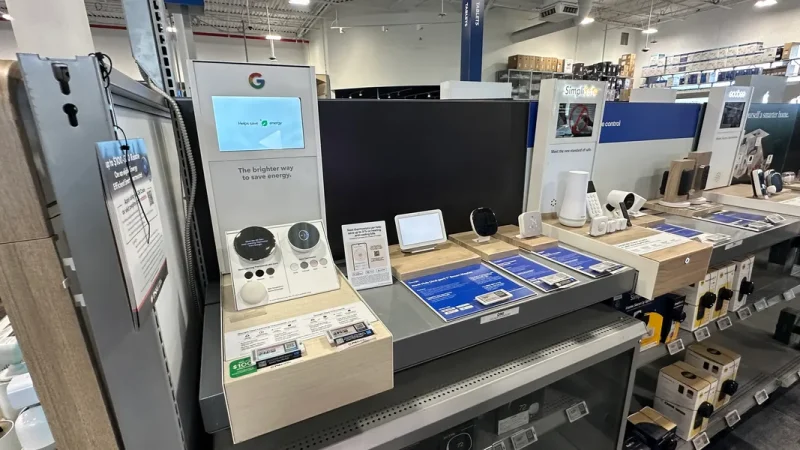
A smart thermostat, security camera, doorbell, speaker or lighting system may sound useful, but the experience depends on much more than the product description. Setup, app design, connection stability, privacy settings, compatibility and long-term reliability all matter.
A smart home product should make your home feel more convenient and secure. It should not require constant troubleshooting.
Before buying smart home tech, it is important to consider whether the device works with your existing system, whether the app is easy to use and whether the features are actually useful for your household.
At TechFinderLab, we focus on practical smart home advice that helps readers avoid unnecessary purchases and choose products that genuinely improve daily living.
AI Tools Need Practical Evaluation
AI tools are everywhere now, and many of them make bold promises. Some claim to boost productivity, write better content, organize your work, edit photos, analyze data or automate daily tasks.
Some AI tools are genuinely useful. Others are more exciting in theory than in practice.
The real question is not whether an AI tool sounds impressive. The question is whether it saves time, improves results and fits into a real workflow.
A good AI tool should be judged by practical outcomes. Does it help you work faster? Does it reduce repetitive tasks? Does it produce reliable results? Is it easy to use? Does it protect your data? Is the cost justified?
At TechFinderLab, we believe AI should be tested with real tasks, not just impressive demos.
How TechFinderLab Helps Readers Buy Better
TechFinderLab was created for people who want honest, useful and practical tech advice.
We cut through marketing hype and focus on what actually matters. From smartphones and photography gear to smart home devices, AI tools and productivity technology, our goal is to help readers make informed decisions.
We test products in real-world situations because that is where technology either proves itself or falls apart. We are not interested in empty buzzwords or brand promises. We care about performance, usability, reliability and value.
Whether you are upgrading your phone, choosing a camera, building a smart home setup or exploring new AI tools, TechFinderLab is here to help you understand what is truly worth your attention.
Final Thoughts
The tech world is full of promises. Some products live up to them. Many do not.
That is why honest, real-world testing is so important. It helps buyers see beyond the marketing and understand how products actually perform in daily life.
At TechFinderLab, we believe better information leads to better decisions. You do not need to chase every trend or buy every new device. You need clear, practical and unbiased guidance that helps you choose technology that truly works for you.
Because the best tech is not the loudest, newest or most expensive.
It is the tech that performs when real life begins.